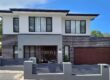
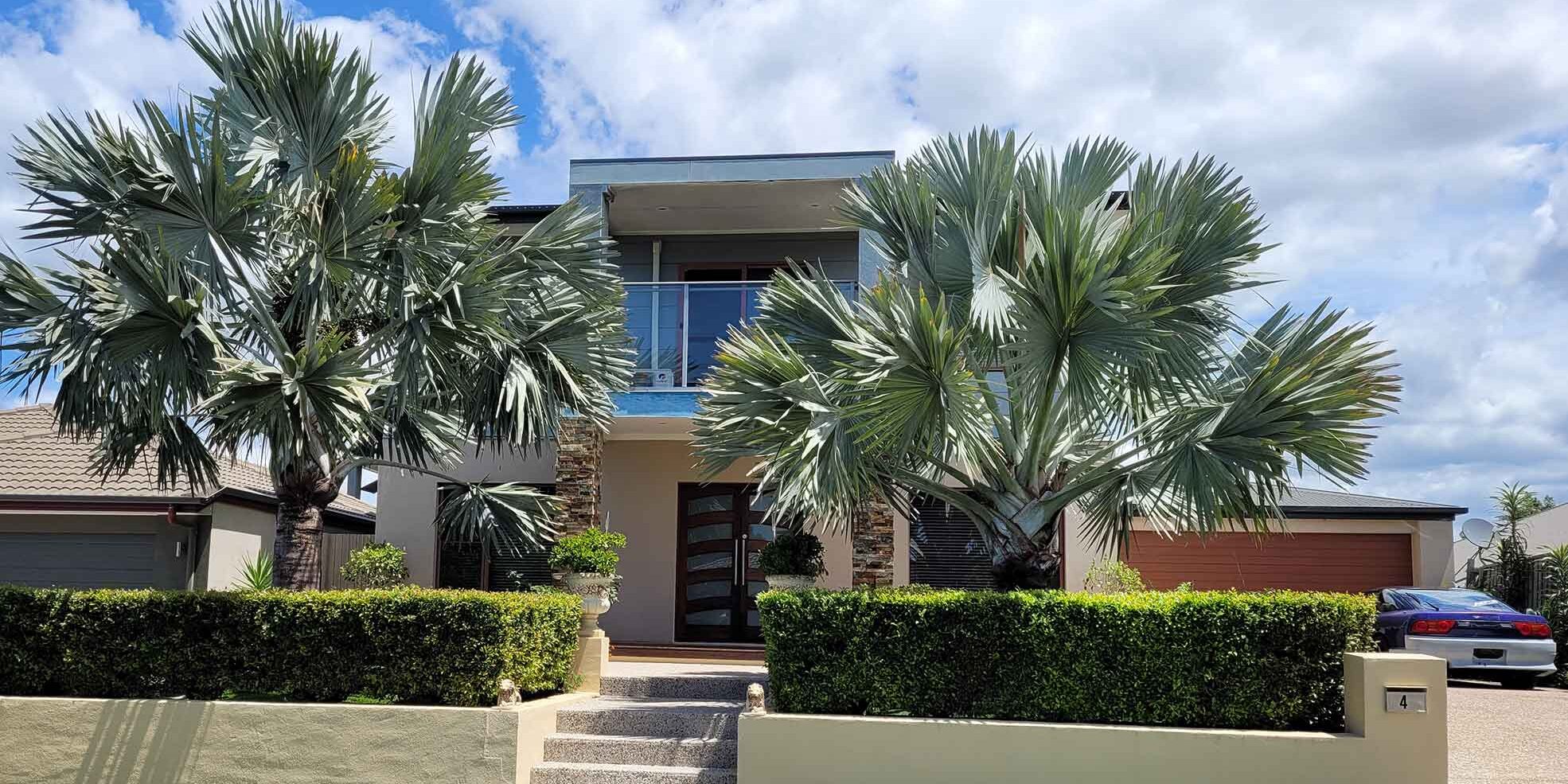
Selling a house in Queensland puts the smoke alarms on three pieces of paper: the contract, the written notice you must give the buyer, and the transfer form your solicitor lodges. Get the alarms right before you list and all three are a tick. Get them wrong and the buyer can take 0.15 percent of the price off you at settlement, and on a Brisbane house that is more than the alarms cost. Here is what the law requires, what the contract does about it, and what to do in the week before you list.
What the law requires when you sell
Since 1 January 2022, signing a contract to sell a house or a unit in Queensland triggers the full smoke alarm standard (Fire Services Act 1990, section 147Z). Before the buyer takes possession the home must have photoelectric alarms complying with AS 3786-2014, hardwired or with a sealed 10 year battery, each less than 10 years from its manufacture date, interconnected so that when one sounds they all sound, in every bedroom, in the hallway the bedrooms open onto, and on every level without a bedroom.
Separately, the seller must give the buyer written notice, on or before the date of possession, of whether alarms complying with the law are installed, and must not say anything in that notice they know to be false (section 148I).
The contract and the Form 24
The standard Queensland contract, the REIQ Houses and Residential Land contract, asks the seller to tick whether compliant smoke alarms are installed in the residence or not installed. Clause 7.8 then requires the seller to install compliant alarms by the settlement date, and if they have not, the buyer may claim 0.15 percent of the purchase price as an adjustment at settlement. That is the buyer’s only remedy under the clause, and it is automatic once claimed. On a $750,000 sale it is $1,125. Clause 8.2(5) also lets the buyer enter the property once before settlement to inspect the alarms, so assume they will.
After settlement, the Form 24 property transfer information form, which your solicitor lodges with the titles registry, carries the smoke alarm declaration to the Queensland Fire Department (section 148J). The contract tick, the written notice and the Form 24 should all say the same thing, and the only way to make sure they do is to have the alarms right before the first one is signed.
Do you need a certificate to sell?
No. The law asks for a yes or no notice, not a certificate, and the Queensland Fire Department says so directly. What agents and solicitors want is proof that the yes is true, because they are the ones who sign or lodge the paperwork. That is what our Certificate of Compliance is for: a written record of every alarm in the home, its type, its manufacture date, its location and its interconnection test, provided on request once the invoice is paid. It goes in the contract file and the question is closed.
What to do before you list
- Count the alarms against the rule: every bedroom, the hallway, every level without a bedroom.
- Read the manufacture date on each one. Anything past 10 years must be replaced, whatever its condition.
- Press the test button on one and listen for the others. If they do not all sound, they are not interconnected.
- Check the sensor type. Ionisation alarms do not meet the standard.
- Book a check. We test, clean and record every alarm, replace what fails or has expired at our published per alarm price, and leave the home at the standard the contract requires, in one visit, paid on the day. Hardwired alarms are fitted by a licensed electrician, and we organise it.
Call the office on (07) 3349 0636, or send your details through the contact form and we’ll get back to you. Book my pre sale check. Most sellers do it the week the agent is appointed, so the certificate is in the file before the first open home.
Smoke Alarm Services has serviced homes across Brisbane, Logan, Ipswich, Redlands and Moreton Bay for over 20 years.